
Veteran Legal Services Toolkit
Our Mission For This Toolkit
Legal aid providers play a significant role in assisting Veterans in need. According to the 2024 CHALENG survey, which identifies the top ten highest unmet needs for Veterans, seven of those unmet needs were directly related to legal assistance. Additionally, in 2021, 76% of households with veterans or other military personnel reported experiencing at least one civil legal aid problem that year. To ensure that Veterans have access to civil legal assistance and that civil legal aid providers and pro bono attorneys have the resources and knowledge to serve Veterans, the Legal Services Corporation (LSC) has created this toolkit.
This toolkit provides the key components necessary to organize a successful Veterans’ legal clinic using this model. The toolkit provides resources such as intake applications, a logistics and timeline planner, checklists, day-of provider and client matching sheets, and best practices. This toolkit is not intended to provide rigid guidelines on how to organize a Veterans’ legal clinic. Rather, the toolkit consists of helpful information and resources for individuals interested in providing legal services to Veterans.
This toolkit serves three groups who play essential roles in veterans legal clinics:
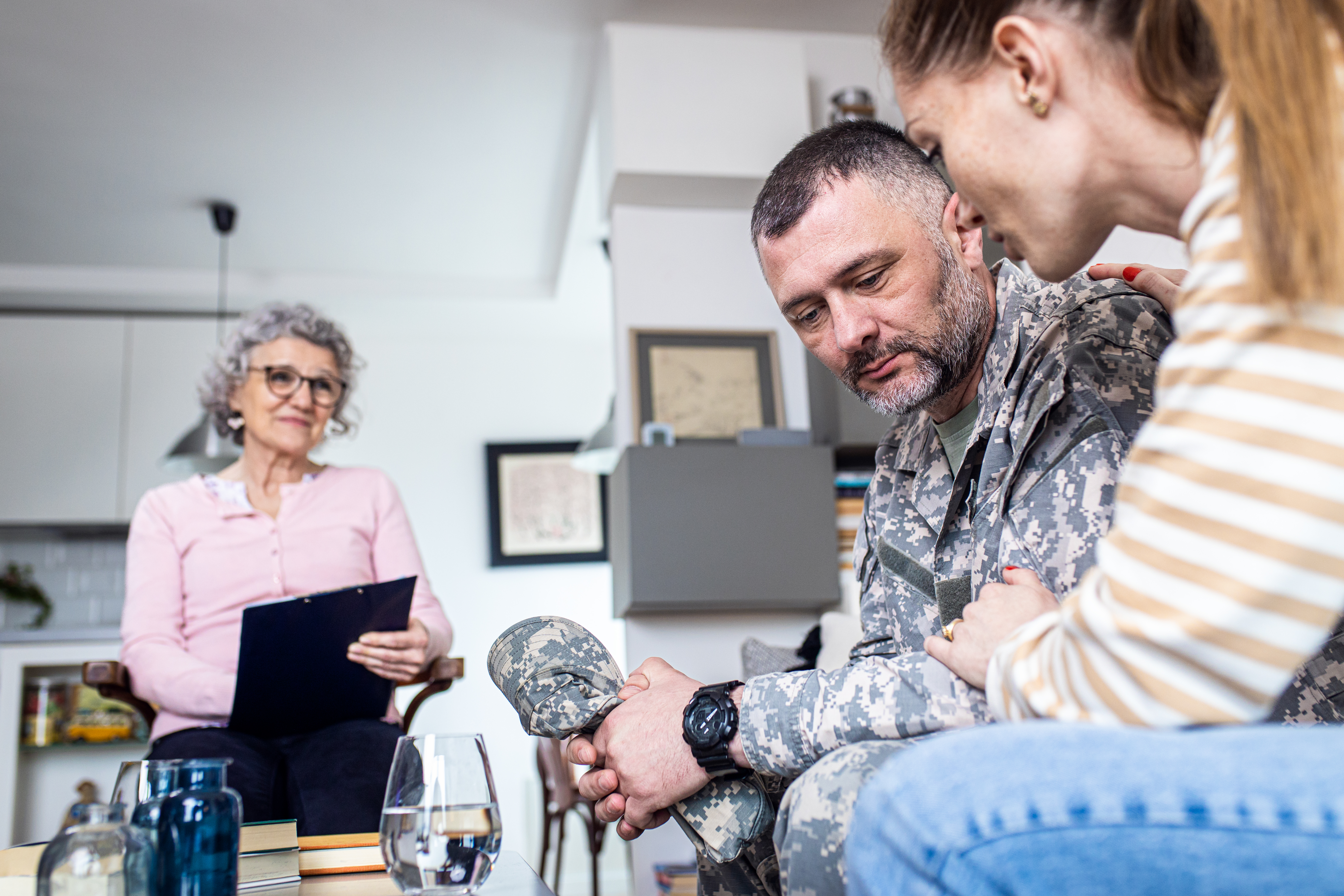
Veterans Needing Takeaway Materials
Access legal information resources designed to help you understand and address your legal issues. These materials are written in plain language and available to take with you.
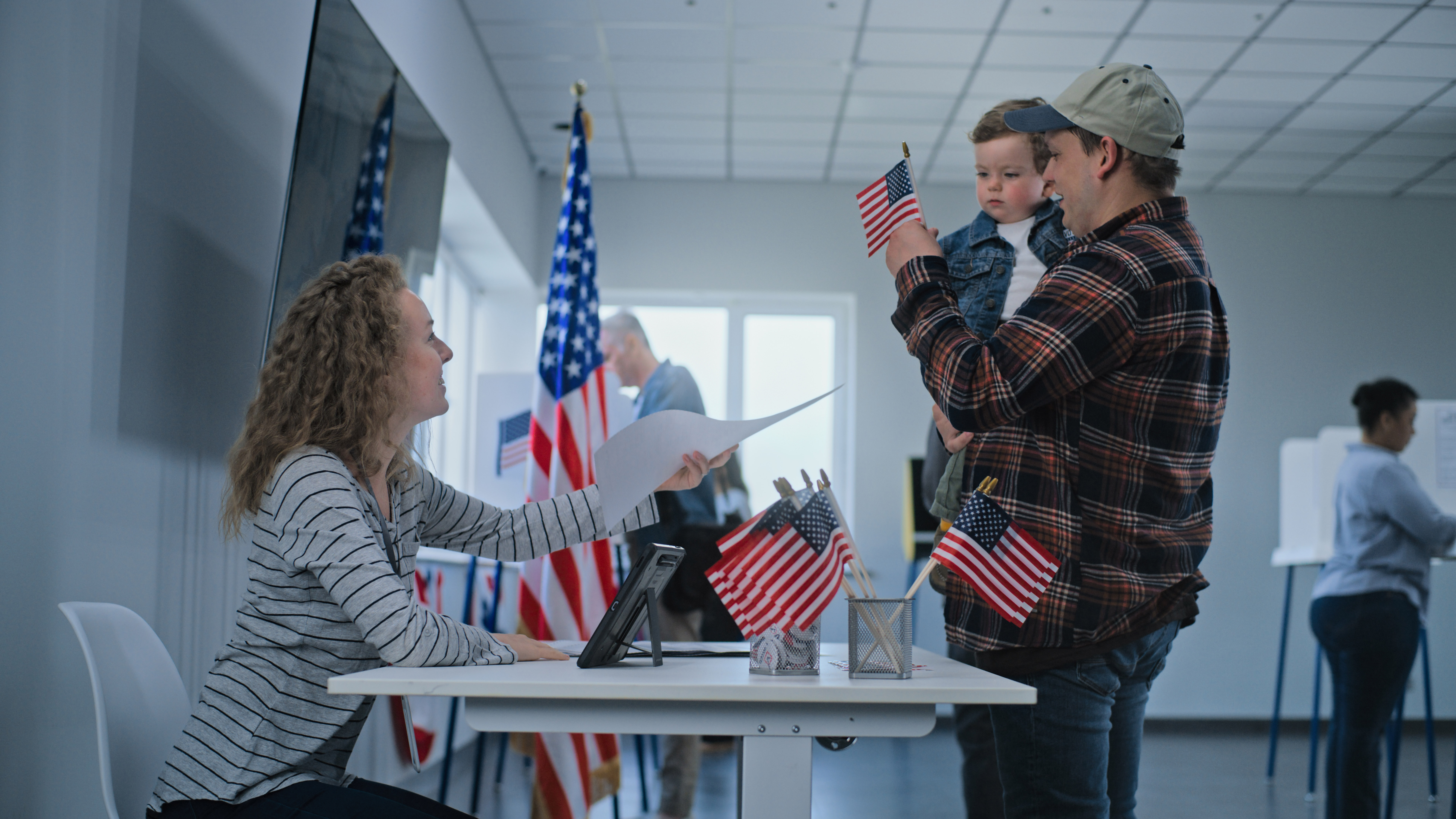
Legal Clinic Organizers
Find everything you need to plan, organize, and run a legal clinic for veterans; from choosing your clinic model to day-of operations.
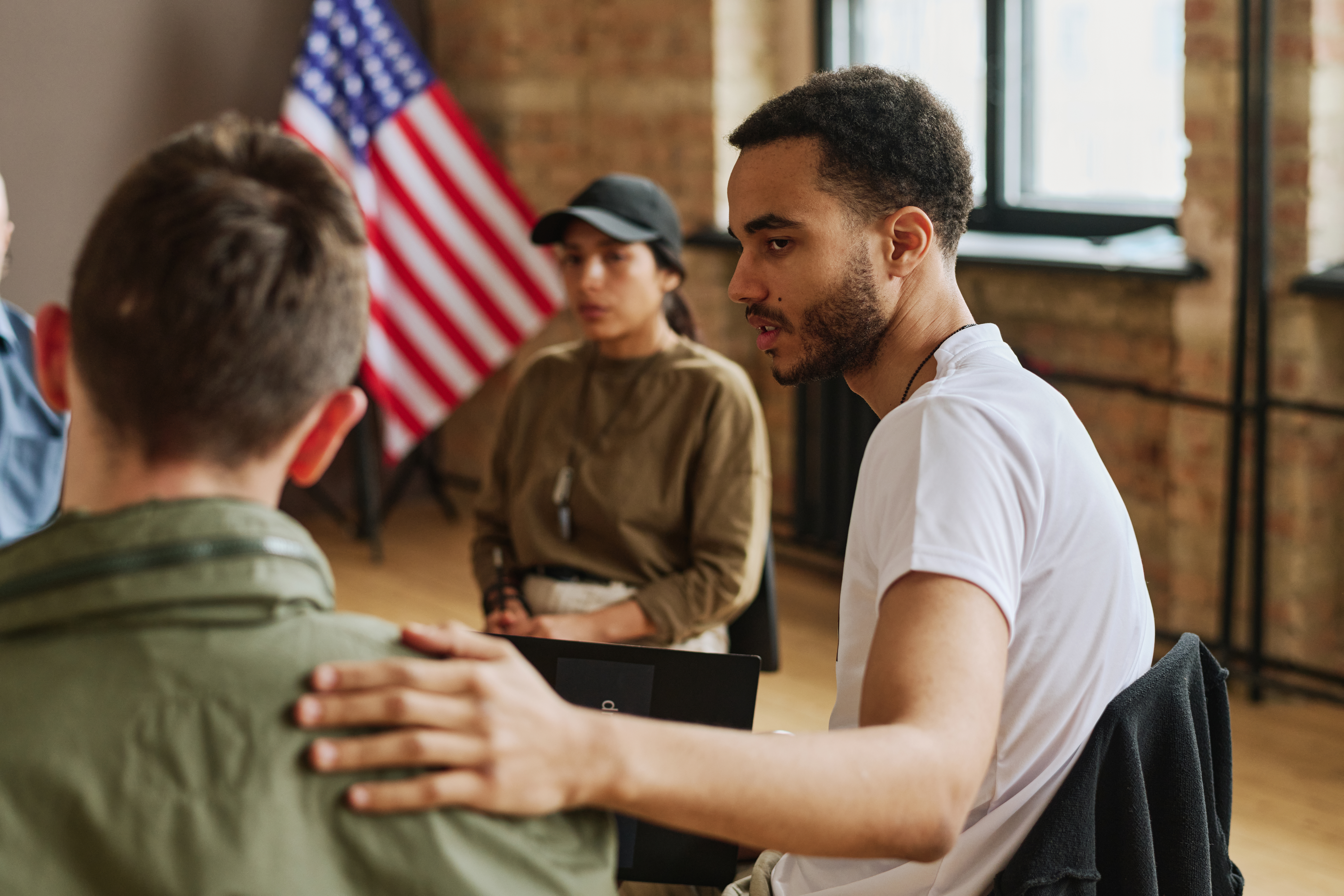
Volunteer Attorneys & Support Staff
Prepare to serve veterans effectively with guidance on cultural humility, legal issue areas, and what to expect when volunteering at a clinic.
Legal Clinics Matter for Veterans
According to the 2024 CHALENG survey, seven of the top 10 highest unmet needs for veterans were directly related to legal assistance. Legal clinics play a critical role in connecting veterans to the civil legal help they need.

This toolkit was developed by LSC staff, members of LSC's Veterans Task Force, and partners who organized three pilot clinics in Broward County, FL; Warner Robins, GA; and Fayetteville, AR. The materials and processes reflect the essential elements of the LSC Veterans' clinic model, which work together to improve both the delivery of services to and outcomes for veterans:
Pre-Registration and Planning
Identify the number of veterans to serve, their legal issues, and areas of need. This allows for effective and efficient recruiting of attorneys and Veterans Service Organization (VSOs).
Effective Service Delivery
Include VSOs and community partners to expand the areas of expertise available and address veterans' needs comprehensively, with as few duplicative steps as possible.
Compassionate and Informed Handoffs
When a veteran needs extended representation or services beyond those offered at the clinic, ensure they're directly connected to the right provider - not just given a referral, but personally introduced with all relevant information shared.
Use this sample form to collect information from Veteran applicants, including demographic information, transportation needs, and substantive legal issues; contains a brief list of additional areas clinic organizer may want to add to form, depending on nature of the Veteran population being served.
This is a multi-tab spreadsheet displaying:
- schedule of appointments for each participating attorney and Veterans Service Officer, including each participant's organization, specialty, and location in the clinic space
- schedule of attendees showing appointment time(s), legal issues(s) for which each is seeking assistance, and name(s) of attorneys(s) or Veterans Service Officer(s) meeting with attendees.
- transportation schedule showing names and contact information for attendees who requested transportation assistance and the times of their requested pickup and return
- partner organizations participating in the clinic, including name of agency, contact person, and where they will be located within the clinic space
The All-Volunteers Handbook offers comprehensive guidance for all volunteer types participating in veteran legal clinics. Handbooks include role-specific information, cultural competency guidance, and practice area resources.
Learn how to manage final preparations and execute smooth-day-of operations for any clinic format.